
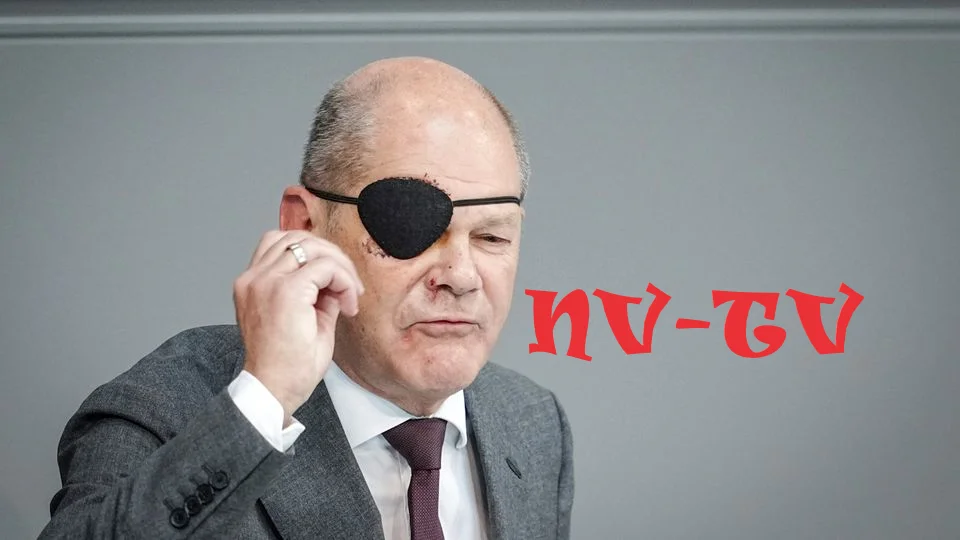
Understanding Schlaganfall: A Medical Overview
Schlaganfall, commonly referred to as a stroke, is a medical emergency that occurs when the blood supply to a part of the brain is disrupted, resulting in the death of brain cells. This interruption can be due to a blockage or a rupture of a blood vessel. There are primarily two types of strokes: ischemic and hemorrhagic. Ischemic strokes, accounting for approximately 87% of all cases, result from a blockage in an artery leading to the brain, often due to blood clots. Conversely, hemorrhagic strokes occur when a blood vessel in the brain bursts, causing bleeding into or around the brain.
The causes of strokes are manifold, encompassing factors such as high blood pressure, diabetes, high cholesterol, smoking, and cardiovascular diseases. Certain lifestyle choices can significantly increase the risk of experiencing a Schlaganfall. Symptoms often arise suddenly and may include numbness or weakness, especially on one side of the body, confusion, trouble speaking, and vision problems. Recognizing these symptoms promptly is critical, as immediate medical intervention can significantly improve outcomes.
The seriousness of a stroke cannot be understated; it can lead to long-term disabilities or even death, making it one of the leading causes of morbidity globally. Preventive measures play a crucial role in reducing the risk of a Schlaganfall. Maintaining a healthy lifestyle, which includes regular physical activity, a balanced diet, and routine medical check-ups, is essential. Additionally, managing pre-existing health conditions like diabetes and hypertension can substantially lower the likelihood of experiencing a stroke. Understanding these aspects of Schlaganfall is not only pertinent for the general public but also vital in contextualizing the health challenges faced by political figures, including Olaf Scholz.
Olaf Scholz’s Health Journey: The Events Surrounding His Schlaganfall
In recent months, the political landscape in Germany has been markedly influenced by the health journey of Chancellor Olaf Scholz. Reports indicate that the events leading to his diagnosis of a Schlaganfall first became apparent through a series of unusual public appearances where Scholz displayed signs of fatigue and diminished engagement. Observers noted a gradual change in his demeanor, raising concerns among both citizens and political analysts about the stability of his health.
The timeline surrounding Scholz’s health issues became more defined in early 2023. During this period, he underwent various public engagements, but those close to him began to notice troubling signs, including slurred speech and difficulty concentrating. These attributes culminated in what was later revealed to be a medical event classified as a Schlaganfall. Following the diagnosis, Scholz stepped back from public duties to prioritize his recovery.
Public reaction to the announcement of his Schlaganfall was immediate and varied. Many citizens expressed sympathy and support, reflecting the importance of health in leadership. Conversely, some critics questioned the transparency surrounding his health status, which sparked debates about the responsibility of political figures to disclose medical issues that may affect their duties. This conversation around transparency is especially pertinent in the context of a global pandemic and increasing public scrutiny of leaders’ effectiveness amidst personal health challenges.
As Olaf Scholz progresses through his recovery, it remains critical to observe how his health impacts his political responsibilities. The unfolding of this situation emphasizes the need for clear communication and honesty from political leaders regarding health crises. As the Chancellor gradually returns to his role, his experience may prompt policymakers to review existing protocols concerning the health disclosures of public officials.
Public and Political Reactions to Scholz’s Health Crisis
The recent health scare involving Olaf Scholz, specifically his Schlaganfall, has sparked significant discussion among the public and political figures alike. Reactions have varied across the spectrum, reflecting a mix of concern, speculation, and even relief regarding his potential recovery. As the Chancellor of Germany, Scholz’s health is not just a personal matter but one that has serious implications for national stability and leadership during crucial times.
Political commentators have emphasized the importance of leadership stability during health crises. Scholz’s Schlaganfall has raised questions about the ramifications of his ability to govern effectively and whether his condition could impede decision-making processes. Some politicians have called for a transparent evaluation of his health status to reassure the public and maintain faith in governmental operations. This collective unease highlights the interconnectedness of personal well-being and political responsibility.
The public reaction has been equally varied, reflecting a blend of empathy and apprehension. Many citizens express genuine concern for Scholz’s health, acknowledging the human side of political figures. Conversely, the fear of leadership vacuums has also surfaced in public discourse, as citizens contemplate the potential consequences of an incapacitated leader amid ongoing legislative and socio-economic challenges.
Media coverage has played a pivotal role in shaping public perception of this situation. News outlets have been reporting diligently on Scholz’s condition, often balancing the narratives of his recovery with concerns about political effectiveness. This extensive coverage has not only captured the attention of the people but has also fueled discussions regarding the responsibilities of leaders during health crises. In essence, the reactions to Olaf Scholz’s Schlaganfall reveal the intricate relationship between health and governance, reminding us that leaders are, above all, human beings facing vulnerabilities that can significantly impact their roles.
The Path Forward: Recovery and Political Future of Olaf Scholz
Following Olaf Scholz’s schlaganfall, the focus is understandably on his recovery and what it means for his future in the political arena. A leader’s health is crucial, influencing public perception and the efficacy of their policies. Scholz faces a series of challenges as he progresses through rehabilitation, an area where patience and resilience are essential. Previous leaders who have encountered similar health crises, such as Franklin D. Roosevelt and John F. Kennedy, navigated their health issues while managing the expectations of their roles. Their experiences provide valuable insights for Scholz as he maps out his recovery journey.
The integration of healthcare considerations into a leader’s responsibilities cannot be understated. Leaders in high-stress roles often grapple with the mental load exacerbated by health issues, leading to potential impacts on decision-making abilities. As Olaf Scholz recuperates, he will need to rely on a myriad of support systems—both personal and political. How effectively he can delegate responsibilities and maintain communication with his advisors could determine the speed and success of his return to full capacity.
Moreover, the implications of his health on his policies cannot be ignored. Scholz’s schlaganfall may influence his political agenda and the priorities of his administration. He may need to re-evaluate initiatives that demand significant public engagement or travel, focusing instead on domestic issues that require attention. The shift in focus could either bolster public support as citizens perceive a more grounded leadership approach or, conversely, lead to criticism if they feel important issues are neglected. Regardless of the path he chooses, it is evident that Olaf Scholz’s recovery will play a pivotal role in shaping his political future and the operational dynamics of his administration.